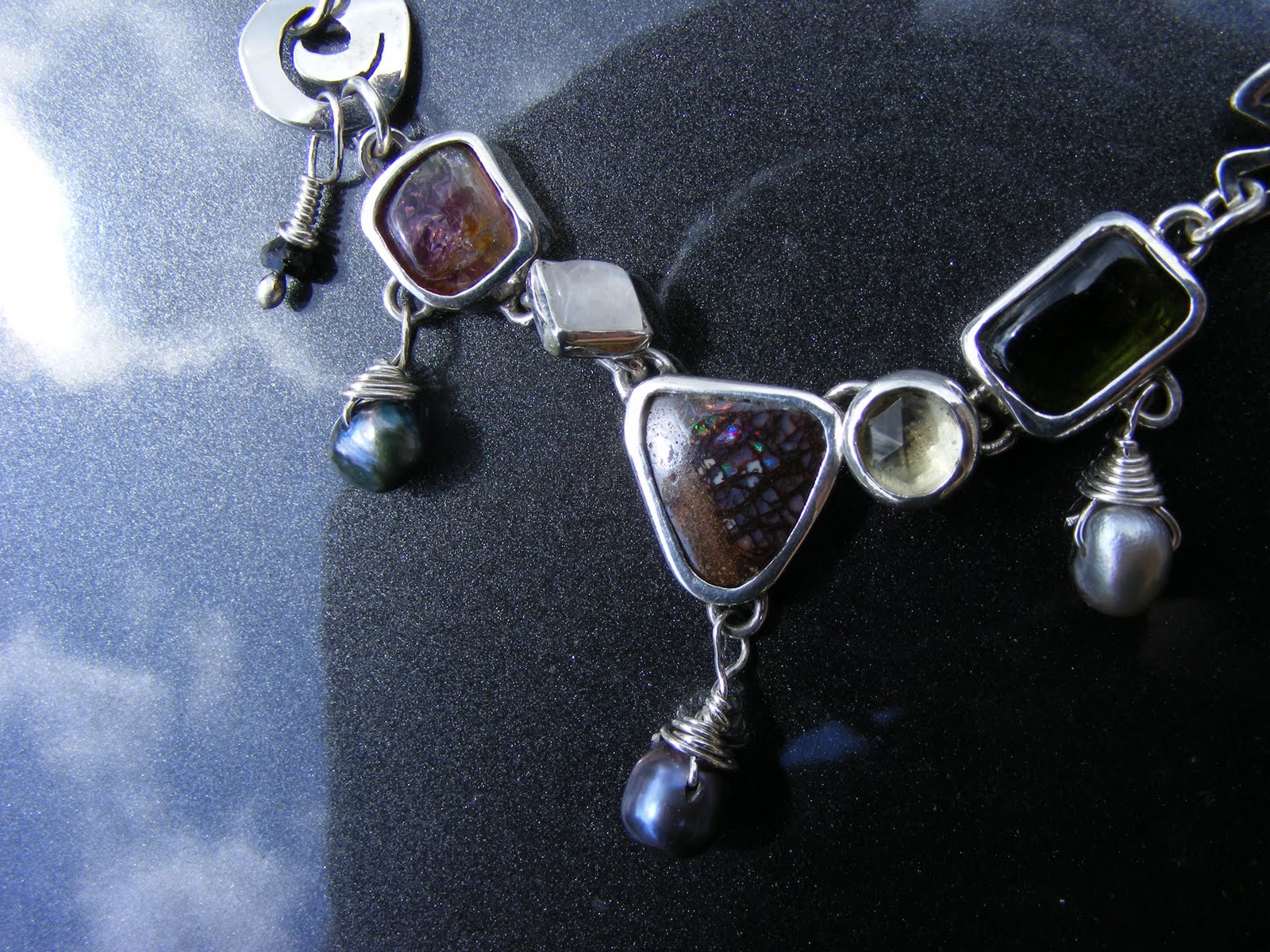
Thursday, 20 May 2010

Vive La difference.


I simply love noticing the little differences between our old life in England and our new one in France, for me, it's never about trying to find each of the products and services that I liked about the UK to create a 'Little England' right here. Nor about trying to hold on to every ex-pat that you meet, I want to try my hand at becoming French.
I'm never going to convince anyone that I was born here, but I want to be able to live my life not worrying about who I may be called upon to speak French at.
Today, I decided to revisit the local La Poste, who always denied that the cheap international tariff that I requested even existed! For a couple of months I'd been going to one a little further afield who just sold me the service and thanked me for my custom, but today I decided that I would try again at my local branch, maybe I was just spoiling for a fight, but they agreed to sell me the tariff today,they must be cursing that 'borrowed' postie from another branch, they can't back down now, can they?
I know I won't!


If you ever find yourself faced with Rampants, this is the perfect antidote, in such a lovely colour can too.
We discovered it quite by accident. We'd moved all our stuff into the caravan for a few weeks during the warmer weather, only to find that someone else had similar ideas.
On opening the food cupboard,I discovered the 'fourmis' or ants to the English speaking world were already sitting down to lunch. In a fit of pique..Panic... Disgust , I quickly threw all our food through the window into a perfectly placed wheelbarrow, all except for the breakables which were carried outside and placed on a table. 'Oh, are you having a picnic?' our French neighbour asked, watching me set down the jam and the bread. You have to laugh! We joked about eating 'A La Carte' as our food was fetched from the wheelbarrow


After weeks of patiently waiting and lots of digging, sawing, hammering and sorting of slates, my new studio is finally finished, everything is moved into place and I made my first set of rings there today.
I love that the workbench has a really nosy window, I don't have to crane my neck to see who's coming and going...and why! When I'm not watching the folks going about their day, I can watch the cows at theirs, but they stare back at me almost as much as I'm staring at them.
It's great to feel that I can get my teeth into some real work and get the collection made that I've been threatening to do for months.
Jewellery is going to be the way we earn our money, or we're gonna die trying anyway.
Incidentally, there's a competition to think of a name for my darling little shed over at http://mrlemur.blogspot.com but you must be quick, it ends tomorrow!

Tuesday, 20 April 2010

Three months in...


It only seems like yesterday when we arrived in France to start our new life in Normandie, but three and a half months have passed in the blink of an eye.

I imagined that I would be blogging every aspect of my new life, but living it seems to take up so much time!! I have inherited a vegetable plot for a season which is so theraputic to dig, listening to the birds in the trees and the gentle babble of the stream which flows at the end of the garden.
For a serial townie, moving to the countryside is new and exciting, finding exotic wildlife is such a treat. The lizard basking in the warm sun on the doorstep, or the fire salamander hiding in the soil as I was digging the garden.

Following the progress of nature as the seasons unfold and using the goodies found in the hedgerow to make jellies and salads is the best part.
Yesterday I started the first step in making Dandelion Jelly. This sounds so ordinary but looks like pure sunshine in a jar and tastes like golden honey. I picked 400 dandelion heads and separated out the petals to steep in 1.5 litres of water.
This was brought to the boil and then covered and left to cool, preferably overnight.
Then, strain the petals and discard, adding 1.5Kg of preserving sugar and the juice of a lemon.

Boil rapidly for around an hour until the liquid starts to thicken and coat the spoon, taking care not to let it get on your skin.
Fill sterilised jars and leave to cool, then enjoy the taste of summer.

Saturday, 6 March 2010

A peek into history

For the past two days, Marcus and I have been digging out the foundations for the shed in the garden. Not your ordinary potting shed I hasten to add, but a rather more palatial 6m x 3m workshop/studio with mezzanine floor which will provide us with enough space to earn our living right here at home.

I know that digging is hard work, but if you only do it every now and then, you do tend to forget just what a strenuous job it is. The loosening up of the soil, the filling of the barrow and the wheeling it away seem to never end. the only thing that kept me digging was the occasional finding of a piece of pottery.


Now I'm no expert in this field but I am very interested in the subject, so it was with great excitement that each piece of pot was gently unearthed and studied. It's amazing to think that I can run my fingers along the same traces in the pot made by man several hundred or even a thousand years ago.
A couple of the pieces look as if they could be from the same pot, you can almost begin to see the shape that the pot once was. A couple of others have a very faded and worn glaze that looks like it was once red.
With a quick Google search, I found out that the first people to start using a red glaze instead of the traditional black was the Romans.

This description of Roman pottery from Mariamilani seems to describe the ware that I found.
Roman coarseware was just that: coarse. The intended use of this type of pottery was to be found in everyday needs, especially in cookery. Given the use it was put to and its tendency to chip and break in the kitchen meant that it was produced cheaply and in greater volumes.

This meant that the clay used was less refined and included rougher (coarse!) inclusions and impurities. The walls would tend to be thicker in order to make the wares more resistant to kitchen use. From a materials point of view it is likely that the inclusions would make the wares more likely to break and therefore also contributing to a need for greater thickness of clay.

Firing was less careful and generally done in a closed furnace, which would tend to consume less fuel. The "reducing" atmosphere in these ovens ie smoky and short of oxygen, tended to make the baked clay go brown/black in colour. Darker patches on the earthenware surface would also arise where one pot touched another in the furnace.
The general size, weight, finish and shape of coarse ware was strongly driven by the utensil's intended use. Pots for storage, cooking, eating and so on all had their particularities. A rough grain surface on a plate intended for semi-liquid poultices would hardly be impermeable and certainly not easy to clean! A "slip" would generally be used to provide a smoother finish when required.


It's a lovely notion that our garden could have been home to a roman settlement, and I would love to believe it to be true, but being a realist, until I see evidence a little more based in fact, it remains just a romanticnotion.

Friday, 26 February 2010

Half Term Adventure


It's true that you never seem to appreciate the delights that are on your doorstep. Just the fact that you could visit them anytime, usually means that you don't.
So yesterday, on the way back home from visiting The Mont St Michel, as we passed through the Norman Village of Mortain, I persuaded the others that we needed to stop and look at The Grand Cascade. I thought we would lean over the wall and look for a couple of minutes before continuing on our journey, but it was much more beautiful than I ever imagined.

There is a path through the trees that draws you down to the water's edge, then a low wooden bridge takes you across to the island in the middle of the river where some thoughtful soul had placed a bench. What a superb place to sit and sketch...when the weather allows.


On the other bank, the path continues on a gentle incline up through the trees, the smell of the leaf mold, the birdsong and the tiny paths were making the children imagine enchanted forests and lost tribes and all the while you could hear the distant crash of the water into the pool.

Up at the top the path opens into a field with benches for picnics and a road that leads back to civilisation.
This place really is worth a look if you are in the Basse Normandie area,

Tuesday, 2 February 2010

Yay! Guess which lucky girl has a brand new workbench?


My multi talented OH has taken a couple of days out of his busy schedule renovating the house to build a brand new jewellery bench for me. All of the pieces have been machined to silky smoothness and mortised to perfection so they fit together just right.
The top is made from two pieces of plywood, glued and screwed to make a thick and serviceable place to work, the semi circular cut-out at the front was even lined with a strip of oak, soaked in hot water to make to pliable.
The finish is perfect, three coats of matte polyurethane varnish on the top and beeswax on the legs, it really is les 'boules de chien'
I'm scared to sit at it.

What if I accidentally nick it, or burn it? What if the borax escapes from the dish and leaves an unsightly ring?
I think I'll just brazen it out and blame the kids.....it's worked before, lol.

So now, with no more excuses, I'm finally ready to finish some of the trinkets I've started.
This pic was taken this afternoon after the bench was set out, in it's pristine, blemish free condition. Good eh?

Oh, did I mention, it's oak you know.

Sunday, 24 January 2010

Spring is just around the corner.


It seems only days since the snow melted and the weather got a tiny bit better. The mornings are still dark at eight o'clock and the mist lasts until around eleven.
Then talking to the neighbour yesterday, he told me that already the lambs were starting to be born.
Being a true townie, I imagined that lambs were born in the springtime when the sun shone bright and the grass was new and green, not just after Christmas when everything is still asleep from the winter hibernation.
Take a look, the lambs don't seem to mind the cold.

Wednesday, 20 January 2010

Le premier étage.

Today saw the first few joists go into the first floor.
As you look at the fruits of our labour, the untrained eye misses just what a difficult and time consuming job this is. Each joist weighs a ton and needs to be lifted up into the ceiling.
I watched.
I found the tools.
I provided tea and support...and felt totally useless and full of admiration as Marcus just got on with it.


The start of our first floor


This is Marcus who just knows how things are done.